
The loop in four days
A common Poon Hill itinerary drives from Pokhara to the Nayapul or Birethanti roadhead, then walks beside the Modi Khola before the long stone staircase to Ulleri. Day two climbs through oak and rhododendron forest to Ghorepani. Day three starts before dawn with the walk up Poon Hill, at about 3,210 metres, then continues through forest to Tadapani. Day four descends to Ghandruk and the road back to Pokhara.
It is a teahouse trek — you sleep in small lodges and order meals from a menu. The days are not long, but the stone steps are relentless in both directions, so trekking poles and broken-in footwear matter more than raw fitness.
Permits and the guide rule
The Poon Hill route runs inside the Annapurna Conservation Area, so it needs an ACAP entry permit. Nepal Tourism Board also lists the Poon Hill to Annapurna Base Camp route among those requiring a licensed guide and an agency-issued TIMS card. A registered trekking agency arranges these; carry the documents on the trail and keep digital copies separately.
Check the live Nepal Tourism Board and Immigration pages close to departure rather than relying on an older article — the requirements have changed more than once in recent years.
Sunrise, seasons and crowds
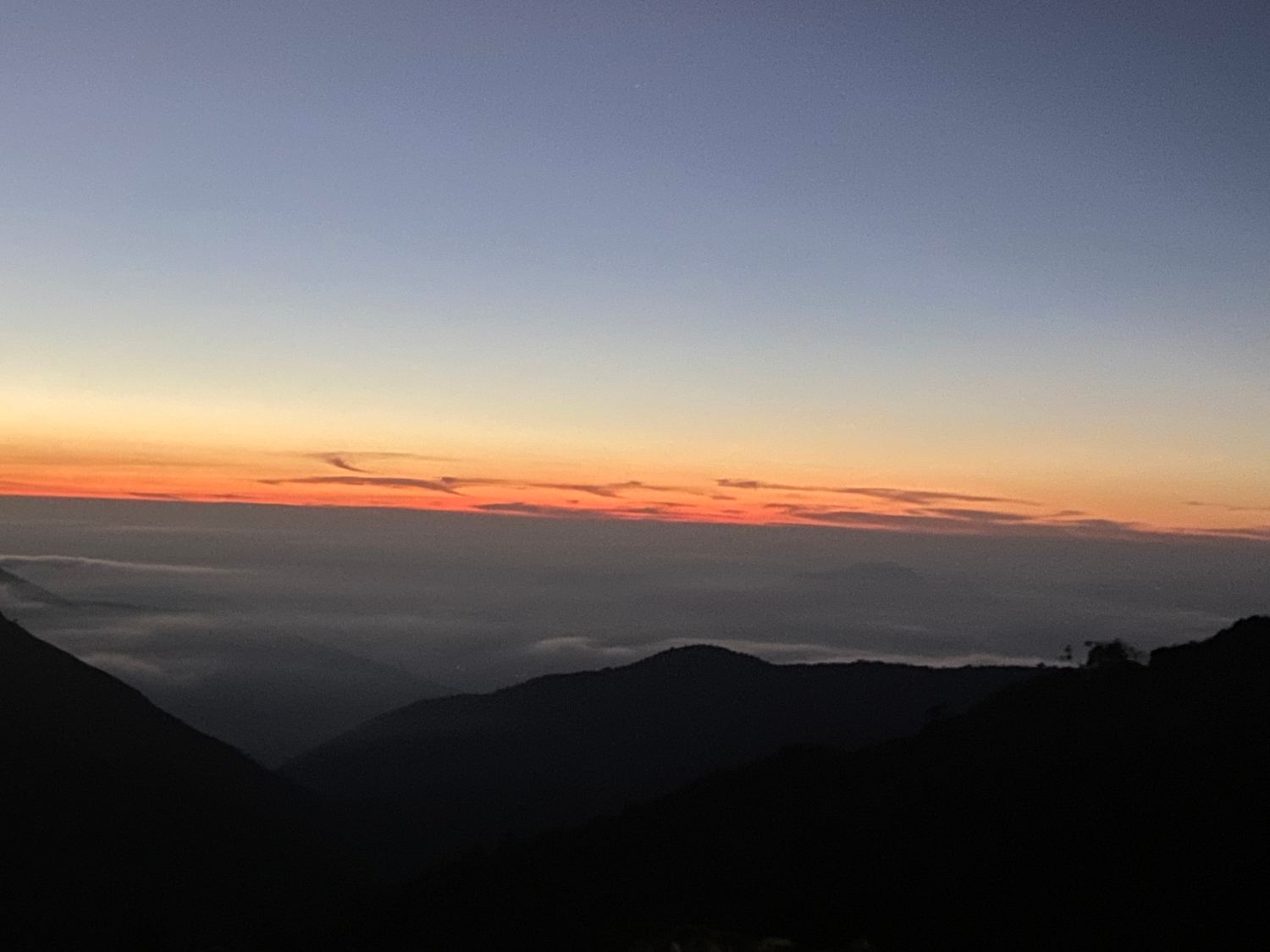
Poon Hill faces the Annapurna and Dhaulagiri ranges, with Machhapuchhre to the east; the draw is the early light on those peaks. Clear mornings are most reliable in the pre-monsoon (March to May) and post-monsoon (October to November) windows, which is also when the trail is busiest. Rhododendron flowering peaks in spring.
The viewpoint can be cold and windy before dawn even when Pokhara is mild. Bring a warm layer, gloves and a headlamp for the pre-breakfast climb, and treat a cloudy morning as normal rather than a failure — the forest and villages are the rest of the trek.