
Why Pokhara is Nepal’s capital for cheap and best trekking
If you are looking for the cheap and best trekking in Nepal, Pokhara is the undisputed starting point. Unlike Everest treks where mandatory round-trip flights between Kathmandu and Lukla add $400 to $450 per person before you take your first step, Annapurna trailheads start right from Pokhara’s road network. A simple local bus or shared jeep transfer from Lakeside to Nayapul, Phedi, Kande, or the Ghandruk roadhead costs only a fraction of that figure.
In addition, Pokhara has Nepal’s most competitive trekking ecosystem. In Lakeside, hundreds of gear shops rent goose-down jackets and sleeping bags for as little as $1 to $2 per day, saving you hundreds of dollars in specialized mountain equipment. Teahouses along Annapurna foothill trails provide welcoming twin rooms and hot meals at regulated prices, giving independent and budget travelers unmatched value.
The cheap and best treks from Pokhara ranked by value
The phrase “cheap and best” in Nepal means achieving world-class Himalayan panoramic views, rich cultural encounters, and safe trail conditions without spending unnecessary dollars on flights, luxury lodges, or inflated agency commissions. Here are the top-rated budget treks from Pokhara ranked by scenery-to-cost ratio:
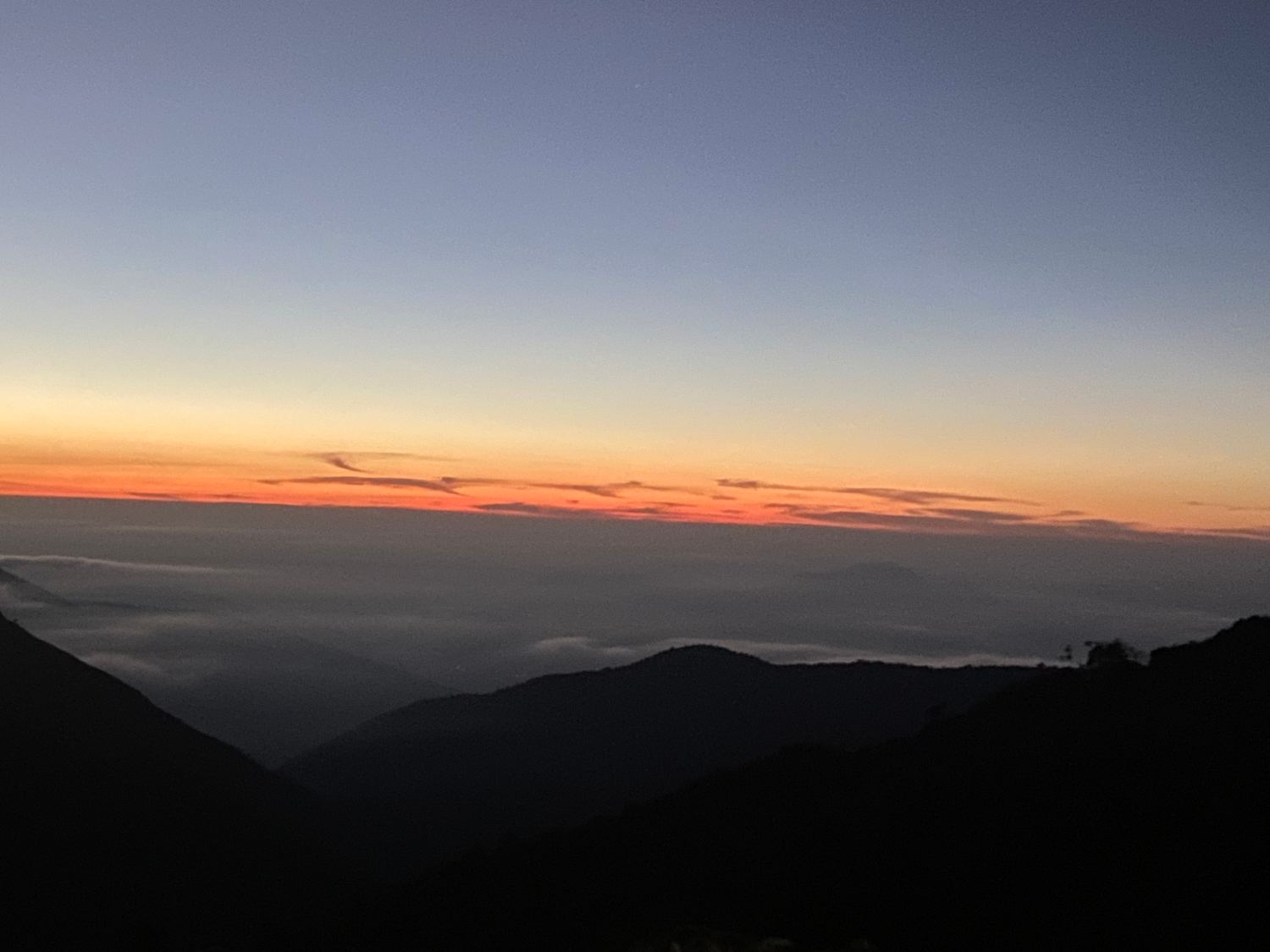
- Ghorepani Poon Hill (4 days, $180–$260 total per person) — The #1 cheap and best trek in Nepal. Features the iconic sunrise over Annapurna I and Dhaulagiri from 3,210 m, well-maintained stone stairs, and cozy teahouses in Gurung and Magar villages.
- Mardi Himal Ridge (5–6 days, $230–$340 total per person) — Best high-ridge alpine views on a budget. Climbs swiftly up to 4,450 m under the shadow of Machhapuchhre (Fishtail) with dramatic ridge walking and minimal transport costs.
- Dhampus & Australian Camp (2–3 days, $80–$150 total per person) — The cheapest short multi-day trek from Pokhara. Requires minimal walking time, zero high-altitude risks, and delivers magnificent front-row Fishtail and Annapurna views.
- Sarangkot Sunrise Walk (1 day, $15–$30 total) — The cheapest day hike in Pokhara. Watch sunrise across the entire Annapurna range over Phewa Lake, then walk down through rural farming hamlets.
- Annapurna Base Camp / ABC (9–10 days, $420–$580 total per person) — Best value long-distance mountain sanctuary trek in the Himalayas. Reaches 4,130 m surrounded by 360-degree mountain amphitheaters with no expensive domestic flights required.
- Panchase Trek (3 days, $110–$180 total per person) — A tranquil, budget-friendly forest trek southwest of Phewa Lake with authentic community homestays and zero crowds.
Daily cost breakdown: what budget trekking in Pokhara costs
Planning an affordable trek requires transparent numbers. When organized through a local Pokhara agency or by hiring a licensed guide directly, your budget breaks down into predictable lines:
- ACAP Conservation Permit — Fixed government fee: NPR 3,000 (~$23 USD) for international trekkers, NPR 1,000 for SAARC nationals, plus 13% VAT where applicable.
- TIMS Card — Government-registered agency issued: NPR 2,000 (~$15 USD) for standard routes.
- Licensed Guide Rate — $25 to $35 USD per day total (can be split among 2 to 4 people, reducing per-person cost to under $10/day).
- Teahouse Accommodation — NPR 500 to NPR 1,000 ($4 to $8 USD) per night for a basic twin-bed room, provided you eat dinner and breakfast at the lodge.
- Food & Hot Drinks — NPR 2,500 to NPR 3,800 ($18 to $28 USD) per day. Eating local Dal Bhat gives unlimited free refills of rice, lentil soup, and vegetable curry.
- Trailhead Transportation — Local bus: NPR 300 to NPR 500 ($2 to $4 USD) each way. Shared or private jeep: NPR 4,000 to NPR 8,000 ($30 to $60 USD) split across the group.
10 proven money-saving tips for trekking in Pokhara
You do not need to cut corners on safety to keep your trek affordable. These field-tested tips help you save money while supporting local communities:
- Trek with a partner or small group — Sharing a licensed guide and private taxi/jeep splits fixed overhead costs immediately by half or more.
- Rent gear in Lakeside Pokhara — Never buy expensive down jackets, sleeping bags, or poles at home if you will only use them once. Rent high-grade items in Pokhara for NPR 150 to NPR 250 ($1 to $2) per day.
- Rely on Dal Bhat power — In Nepal, “Dal Bhat 24 Hour Power” is a reality. Teahouse menus offer continental dishes, but Dal Bhat is freshly prepared and comes with complimentary second helpings until you are completely full.
- Bring a water filter or purification tablets — Buying plastic bottled water on trails costs NPR 100 to NPR 400 per bottle as altitude increases. A reusable bottle with chlorine dioxide drops or a hollow-fiber filter saves $20 to $40 per trek while keeping plastic out of the mountains.
- Carry a high-capacity power bank — Teahouses charge NPR 200 to NPR 500 ($2 to $4) per device charge above 2,500 m. A 20,000 mAh power bank easily keeps your phone and camera battery charged for a 4–6 day trek.
- Book locally in Pokhara instead of overseas agencies — International tour operators often charge $1,200 to $2,500 for a 4-day Poon Hill trek that costs $200 to $300 locally with the exact same licensed guides and teahouses.
- Stick to roadhead trailheads — Choose routes starting from Nayapul, Kande, or Phedi to avoid high flight prices and flight cancellation risks.
- Carry sufficient cash in Nepalese Rupees — There are no working ATMs on mountain trails; carry small denominations (NPR 100, 500, 1000 notes) to avoid unfavorable currency conversion rates in remote teahouses.
- Walk during the shoulder seasons — Mid-September to early October or late April to May often feature cheaper lodging availability and easier bargaining for room rates.
- Carry your own daypack if physically able — While porters are invaluable and fairly paid, fit hikers carrying an 8–10 kg pack save an extra $20 to $25 per day.
Hidden costs to watch out for on budget teahouse trails
On Annapurna teahouse trails, rooms are inexpensive because lodge owners earn their living on food and amenities. Be prepared for small surcharges higher up the mountain: hot gas showers (NPR 300–500), device charging (NPR 200–400), and Wi-Fi access cards (NPR 300–500).
Most importantly, never compromise on altitude acclimatisation to save a day’s lodge fee. A buffer day resting at 3,000 m costs $25 for room and food, whereas an emergency helicopter rescue for acute mountain sickness costs thousands of dollars. Always carry travel insurance covering high-altitude trekking and emergency helicopter evacuation.