
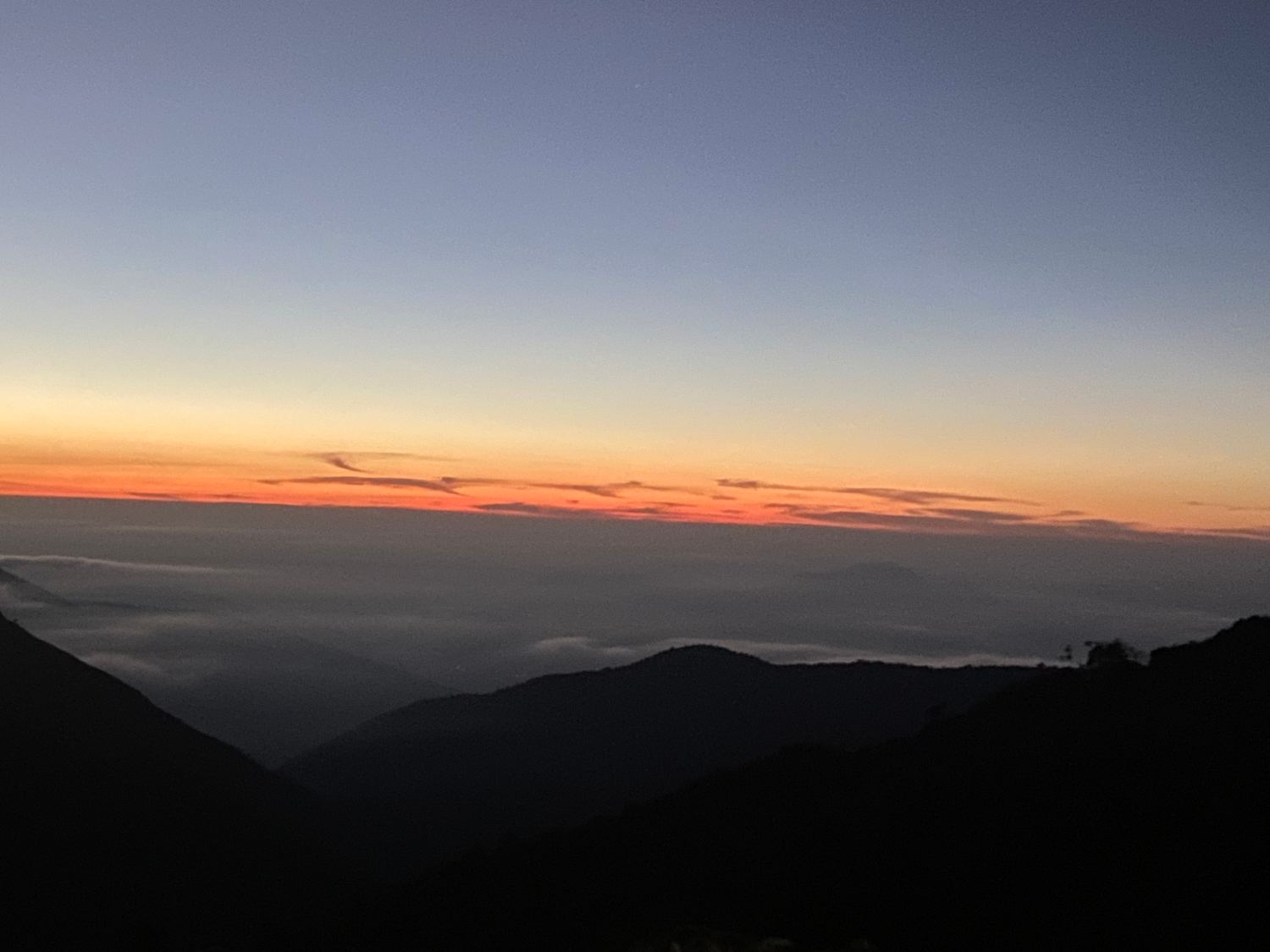
The two main trekking windows
When is the best time to trek from Pokhara? The most reliable weather windows are the pre-monsoon spring (March to May) and the post-monsoon autumn (October to November). During these months, the skies are generally clear, the mountain views are sharp, and daytime temperatures are comfortable for walking.
However, these are also the busiest times on the trail. If you are seeking solitude or a different experience, understanding the nuances of each month can help you pick the perfect time to visit the Annapurna region.
Spring (March, April, May)
Spring brings warmer weather and blooming rhododendron forests, especially vibrant on routes like Poon Hill. March starts cool but warms up quickly. By April, the lower trails are hot, and the upper elevations are pleasant.
May can bring pre-monsoon haze and occasional afternoon thunderstorms, but the mornings remain clear. It is an excellent season for those who want to see the flora in full colour.
Autumn (October, November)
Autumn is the peak trekking season in Nepal. After the monsoon rains have cleared the dust from the air, October offers the clearest mountain views and stable weather. Temperatures are moderate, making for excellent trekking conditions.
November remains clear but temperatures begin to drop significantly, especially at night and at higher altitudes like Annapurna Base Camp or High Camp on Mardi Himal. Trails and teahouses are busy, so booking early through your agency is recommended.
Dashain and Tihar: festival season on the trail
Dashain (in 2026, 11–25 October) and Tihar (peaking 8–11 November) fall inside the autumn window, so the weather is excellent but transport, hotels and trails are at their busiest. Book flights, buses and Pokhara nights early, and add a spare day to your plan. Our festival guides cover the dates, the best routes for each and what to pack: see the Dashain and Tihar trekking guides in the related reading below.
Winter and Monsoon
Winter (December to February) is cold, with snow at higher elevations potentially closing passes like Thorong La. However, short treks like Dhampus or Sarangkot offer crisp, quiet days. Monsoon (June to September) brings heavy rain, leeches, and obscured views, making most Annapurna trails less enjoyable, though rain-shadow regions like Upper Mustang remain accessible.